Category:
EconomyFuel Subsidy Costs Govt Nearly Nu 4bn by June

In recent months, global fuel prices have surged due to external factors, placing significant strains on economies worldwide. In Bhutan, the government has stepped in to alleviate the burden on its citizens by implementing a fuel subsidy under the National Fuel Price Smoothening Framework. While this move provides immediate relief, it also poses substantial financial implications. 🎯
Understanding the Fuel Subsidy Impact
The Bhutanese government estimates that maintaining the fuel subsidy at current levels could result in expenditures nearing Nu 4 billion by June. This is based on an estimated monthly subsidy cost of Nu 1.4 billion if current consumption patterns persist and fuel prices remain stable.
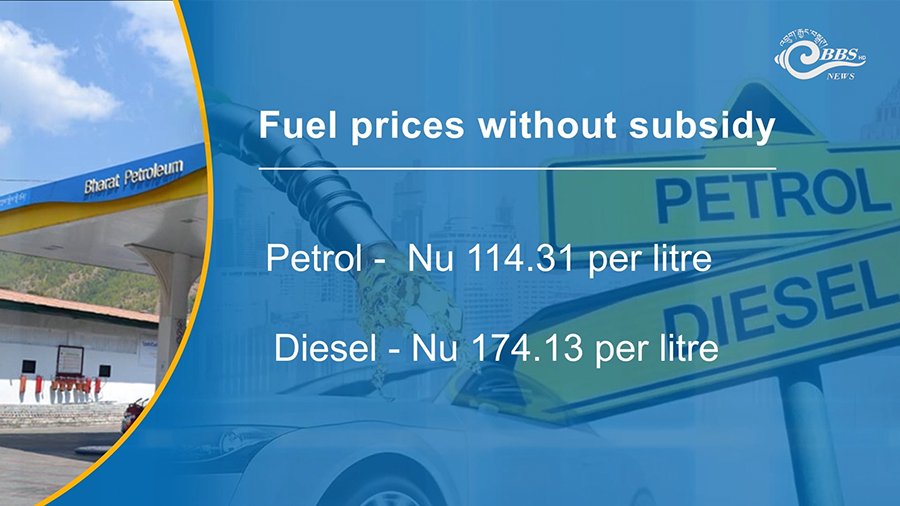
This initiative aims to shield consumers from the full impact of rising global fuel prices, which have recently pushed petrol prices in Thimphu to Nu 114.31 per litre and diesel to Nu 174.13 per litre. However, with the subsidy in place, petrol is priced at a more affordable Nu 98 per litre, and diesel at Nu 98.31 per litre.
Government Measures to Mitigate Costs
Despite the relief provided to consumers, the subsidies exert a heavy financial strain on government resources. To manage these costs, the government has directed public service agencies to adopt measures to reduce fuel consumption. These include:
- Encouraging walking or cycling to work
- Minimizing non-essential travel
- Implementing remote working arrangements
The government has also appealed to the private sector and the general public to adopt similar practices, emphasizing the importance of collective efforts in managing national resources sustainably. 🌱
Reserve Management and Strategic Planning
To ensure preparedness for any adverse scenarios, the government maintains substantial reserves, including 15,000 units of LPG, 1.4 million litres of petrol, and nearly 1.5 million litres of diesel. These reserves are earmarked for worst-case situations, such as supply disruptions.
The subsidy is reviewed every fortnight to align with global fuel price movements, ensuring domestic prices remain competitive yet manageable. This dynamic approach aims to balance immediate relief with long-term sustainability.
Broader Economic Implications
The implications of the fuel subsidy extend beyond immediate financial costs. By mitigating the effects of global price surges, the government helps stabilize household expenditures and maintain economic momentum. This is particularly crucial as Bhutan navigates post-pandemic recovery and seeks to bolster its economic resilience.
However, the financial burden of the subsidy necessitates strategic fiscal planning. Prioritizing investments in alternative energy sources and improving energy efficiency could provide long-term solutions to reduce dependency on fossil fuels, thus lessening future financial pressures.
Conclusion: A Collective Path Forward
In conclusion, while the fuel subsidy offers necessary relief to Bhutanese consumers, it also underscores the importance of strategic planning and resource management. The government's proactive measures and public appeals highlight the need for a collective effort in managing national resources sustainably. 🛤️
As global market dynamics continue to evolve, Bhutan must remain vigilant and adaptive, exploring innovative strategies to ensure energy security and economic stability. By fostering a culture of responsible consumption and investing in sustainable alternatives, Bhutan can navigate these challenges successfully and emerge more resilient in the face of global uncertainties.