Category:
EducationBhutan's Digital UPSHIFT Engages Over 27,000 Students
A Digital Leap Forward for Bhutanese Education 🌐
In a transformative stride towards modernizing education, Bhutan has embraced digital innovation through UPSHIFT, a social innovation accelerator by UNICEF. This initiative, now available on Google Classroom, marks a significant step in engaging over 27,000 students across the nation, reinforcing Bhutan's commitment to educational advancement.
The Power of Digital Education 🚀
Digital education has become a pivotal trend worldwide, and Bhutan is no exception. With the integration of UPSHIFT into Google Classroom, students and teachers are experiencing a streamlined educational process. The platform has lightened the administrative burden on teachers and enhanced student motivation through digital badges and recognition.
Benefits of Going Digital
- Reduced Workload: Automated tracking and grading systems ease teachers' tasks.
- Motivated Learning: Digital badges incentivize student participation and achievement.
- Cost-Effective: Utilizes existing infrastructure, eliminating additional licensing fees.
- Sustainable Growth: Ensures long-term data management and educational sustainability.
National Innovation Challenge: A Green Initiative 🌿
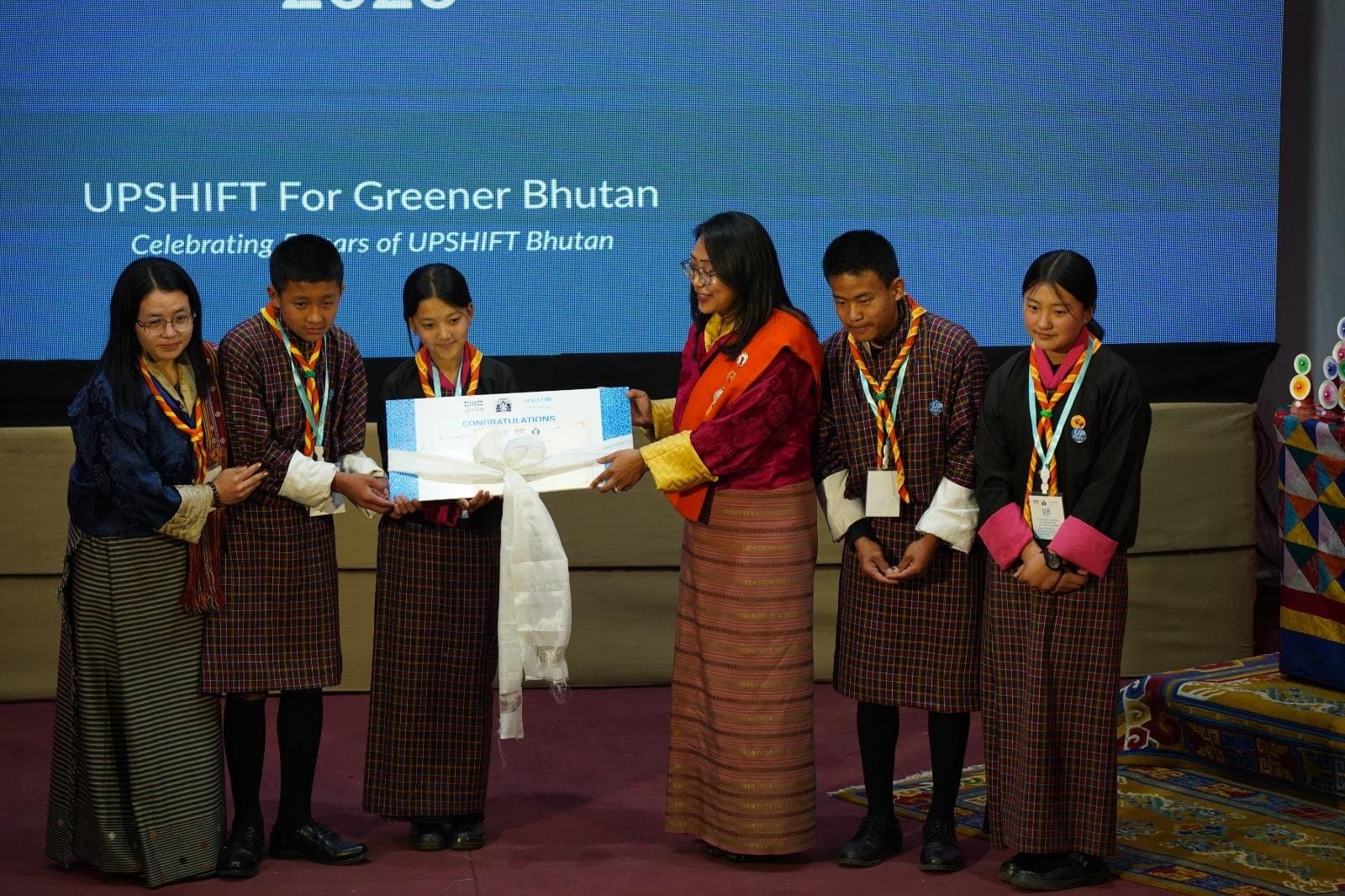
This year's National Innovation Challenge, themed "UPSHIFT for a Greener Bhutan," showcased the ingenuity of Bhutanese youth. Students from eight schools presented solutions to environmental challenges, including:
- Accelerating the decomposition of kitchen waste.
- Crafting paper from banana plants.
- Transforming wastepaper into eco-friendly pens.
- Developing decomposable bioplastics.
- Implementing smart irrigation systems to optimize greywater use.
These projects highlight Bhutan's focus on sustainability and environmental stewardship, empowering students to become change-makers in their communities.
Fostering Innovation and Leadership 🏆
The Ministry of Education and Skills Development, alongside UNICEF and the Bhutan Youth Development Fund, orchestrated this event to nurture creativity and problem-solving skills among students. Education Minister Yeezang Dee Thapa praised the initiative, emphasizing its role in fostering leadership and innovation.
UPSHIFT's Impact
Since 2022, UPSHIFT has engaged over 27,000 students from 264 schools, dedicating 1.3 million hours to developing more than 1,500 solutions. This initiative not only enhances problem-solving skills but also prepares students for future challenges by integrating technology and innovation into everyday learning.
A Call for Stronger Partnerships 🤝
UNICEF Representative Rushnan Murtaza highlighted the need for collaboration between government, private sectors, and development partners. By bridging classroom learning with entrepreneurship opportunities, Bhutan can unlock the potential of young innovators to create jobs and drive economic growth.
Celebrating Success: The Winning Innovations 🎖️
The challenge culminated in remarkable achievements. Khamdang Lower Secondary School's "Green Heart Ngugu" project and Tendruk Central School's "Druk Eco Nova" were awarded for their innovative contributions to sustainability.
Key Takeaways
- Green Heart Ngugu: Eco-friendly pens with plantable seed caps.
- Druk Eco Nova: Biodegradable plastics from natural materials.
These projects received seed funding to further develop and scale their innovations, demonstrating Bhutan's dedication to nurturing young talents.
Looking Ahead: The Future of UPSHIFT in Bhutan 🔮
As UPSHIFT continues to grow, it aims to expand to 40 more schools by 2026, engaging an additional 6,000 students. This expansion is set to solidify Bhutan's role as a leader in digital education and innovation.
In conclusion, Bhutan's digital transition through UPSHIFT is a testament to the nation's commitment to embracing technology in education. By fostering creativity and environmental awareness, Bhutanese students are not just learners but leaders, poised to shape a sustainable future.