Category:
NewsMega Farms: Boosting Bhutan's Food Security 🌾
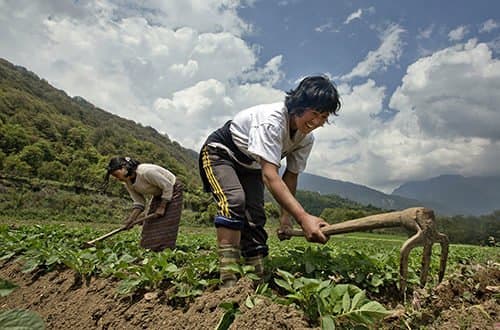
Bhutan is taking significant strides towards enhancing its food security by investing in mega farms, a move poised to revolutionize the agricultural landscape. The Ministry of Agriculture and Livestock (MoAL) is spearheading this initiative, which aims to reduce food imports, create jobs, and promote sustainable farming practices.
The Rise of Mega Farms in Bhutan 🚜
The government of Bhutan is partnering with several key stakeholders to establish large-scale commercial farms like Chirub Farms and the Yarjugang Open-Air Prison (OAP) Farm. These projects are not just about increasing food production but are also designed to generate employment, particularly for the youth and vulnerable groups.
According to the MoAL Minister Younten Phuntsho, these farms are crucial in preparing urban households for potential future disruptions in food supply while also providing fresh produce. Urban gardening is gaining traction, with over 300 urban gardeners already registered in Thimphu alone, including civil servants and school communities.
Strategic Investments and Future Plans 💼
The Urban and Peri-Urban Farming (UPUF) plan outlines a substantial investment of Nu 20 million from 2024 to 2029. This funding will support farm expansions across various urban centers, including Thimphu, Paro, and Punakha. The investment will focus on critical infrastructure such as land development, greenhouses, and smart irrigation systems.
Large-scale farms are being developed with the support of Nu 427.01 million from the Government of India. These projects are structured as commercial enterprises, ensuring sustainability and profitability. The Department of Agriculture (DoA) will provide technical oversight, while Desuung Headquarters will manage operations.
Innovative Cultivation and Market Integration 🌿
The mega farms are expected to produce approximately 341 metric tonnes of food annually, with revenues projected between Nu 15 million and Nu 20 million. Key crops include high-demand vegetables like chilies, tomatoes, and onions, as well as high-value fruits such as mangoes and dragon fruit.
These farms employ a mix of protected cultivation techniques, including mega polyhouses and open-field production. The integration of value-chains ensures efficient production, processing, and marketing, helping to stabilize prices and reduce post-harvest losses.
Empowering Communities and Building Skills 🛠️
Beyond agriculture, these farms serve as training grounds for youth and vulnerable groups. Participants, including Desuups and inmates at the Yarjugang OAP Farm, receive training in various skills such as masonry and carpentry, promoting reintegration and dignity of work.
Looking Ahead: Expansion and Scalability 📈
The government is closely monitoring these pilot projects to determine their scalability. Successful elements will be expanded under Bhutan's 13th Plan, which includes additional high-tech farms and large-scale commercial farms through private partnerships.
Construction is progressing well, with most infrastructure expected to be completed by the end of the year. However, some components, like Desuup quarters, will extend the timeline to 2027.
Conclusion: A Promising Path Forward 🌟
Bhutan's investment in mega farms represents a significant step towards food security and economic resilience. By fostering sustainable agricultural practices and creating employment opportunities, these initiatives promise a brighter future for the nation's food systems and its people.